



For an entrepreneur, perception matters long before a potential client has experienced the quality of the product or service. People form an opinion from the way a business presents itself, communicates, responds, and handles even the smallest details. That does not mean a young company needs an expensive office, a large marketing budget, or a branding agency to appear established.
In fact, spending heavily on appearances can sometimes hide a more important problem: the business has not decided what it wants to be known for.
A professional image is created when every visible part of the business reinforces the same message. The website, proposals, emails, meetings, social presence, and personal behavior should tell a consistent story about the company's standards. When they do, even a relatively small business can create the level of confidence normally associated with a much larger organization.
The challenge is therefore not to look expensive. It is to look intentional, reliable, and capable.

Professionalism begins with coherence.
A business does not need elaborate branding to appear credible, but it does need a recognizable identity. A simple visual system, consistent typography, clear language, and a defined tone of communication can create a stronger impression than a sophisticated logo surrounded by inconsistent materials.
The same principle applies to messaging. If the website describes the company one way, social media communicates something completely different, and sales materials use another tone altogether, customers are forced to work out what the business actually stands for.
Consistency reduces that uncertainty. It tells people that the company pays attention to how it represents itself and, by extension, suggests that it may pay similar attention to its customers.
Avi-Meir Zaslavsky explains:
“Professional credibility is rarely created by one impressive element. It comes from the repetition of the same standard across many small interactions. When the way you present your business, communicate with clients, and deliver your work all reinforce the same message, people begin to trust that standard before they have enough experience to judge everything else.”
This is why entrepreneurs should establish a clear identity early, even if the business is still small. The objective is not to create the appearance of a corporation. It is to create a recognizable and dependable business.
Potential customers should not have to investigate your business to understand what you actually do.
Your website, professional profile, proposal, or introductory email should answer the basic questions quickly: Who are you? What do you offer? Who is it for? What problem do you solve? And what should someone do next?
Clarity is particularly valuable for smaller businesses because it compensates for the lack of familiarity that larger companies often receive automatically. A recognizable corporate name can create an initial level of trust. An unknown entrepreneur has to create that trust through clarity and evidence.
This does not require a complicated website. A focused, well-written online presence is often more effective than a large site filled with unnecessary information. Professional photography, useful content, clear contact information, and an appropriate business email address can make a meaningful difference without requiring a major investment.
The same principle should guide social media. The goal is not to be everywhere. It is to ensure that the platforms where potential clients are likely to find you accurately reflect the quality and positioning of the business.
Entrepreneurs sometimes separate branding from operations, as if the brand exists in the logo while professionalism exists somewhere else.
Customers experience the brand through behavior.
A slow response, vague proposal, missed deadline, poorly organized meeting, or unexplained change in scope can damage credibility far more than an imperfect visual identity. On the other hand, a prompt response, clear expectation, thoughtful follow-up, and transparent explanation can make a small company feel remarkably dependable.
This is particularly important when competing against larger organizations. A smaller business may not be able to match the resources of a major competitor, but it can often outperform it in responsiveness, personal attention, and clarity.
Professional communication also means knowing what not to promise. Entrepreneurs sometimes try to appear impressive by saying yes to everything. In reality, credibility grows when expectations are realistic and commitments are consistently honored.
A limited budget does not mean that an entrepreneur should avoid spending. It means every expense needs a purpose.
The right question is not, “What would make my business look more impressive?” It is, “Which investment would make a potential customer more confident in choosing us?”
That distinction can completely change spending priorities.
A professional meeting space may make sense for an important client presentation, while maintaining an expensive permanent office may not. High-quality photography may be valuable for a visually driven business, while expensive promotional materials may have little impact. A well-designed proposal template can be more useful than a collection of premium software subscriptions that nobody uses effectively.
The same principle applies to technology and marketing. Entrepreneurs often accumulate tools because they believe professional businesses are supposed to have them. But credibility does not come from the number of platforms or subscriptions behind the scenes. It comes from whether those resources improve the experience of the person doing business with you.
Avi-Meir Zaslavsky points out:
“A constrained budget can actually improve strategic discipline because it forces an entrepreneur to distinguish between appearance and impact. Before spending money to look more established, ask where that investment will change a customer's confidence, experience, or decision. The strongest professional image is built by putting resources behind the moments that matter most.”
People often remember small inconsistencies even when they cannot explain why something felt unprofessional.
A proposal with unclear formatting, an invoice containing errors, a website with outdated information, or a meeting that begins without preparation can create doubts that have nothing to do with the actual quality of the company's work. These details signal how the business operates when nobody is specifically watching.
Professionalism therefore needs to become an operating standard rather than a performance reserved for important clients.
That includes personal presentation as well. Entrepreneurs do not need to dress expensively or imitate a corporate executive. They need to understand the expectations of their audience and present themselves appropriately for the situation. Being prepared, punctual, attentive, and organized will usually communicate more than expensive clothing ever could.
Over time, these behaviors create something much more valuable than an attractive image: a reputation.
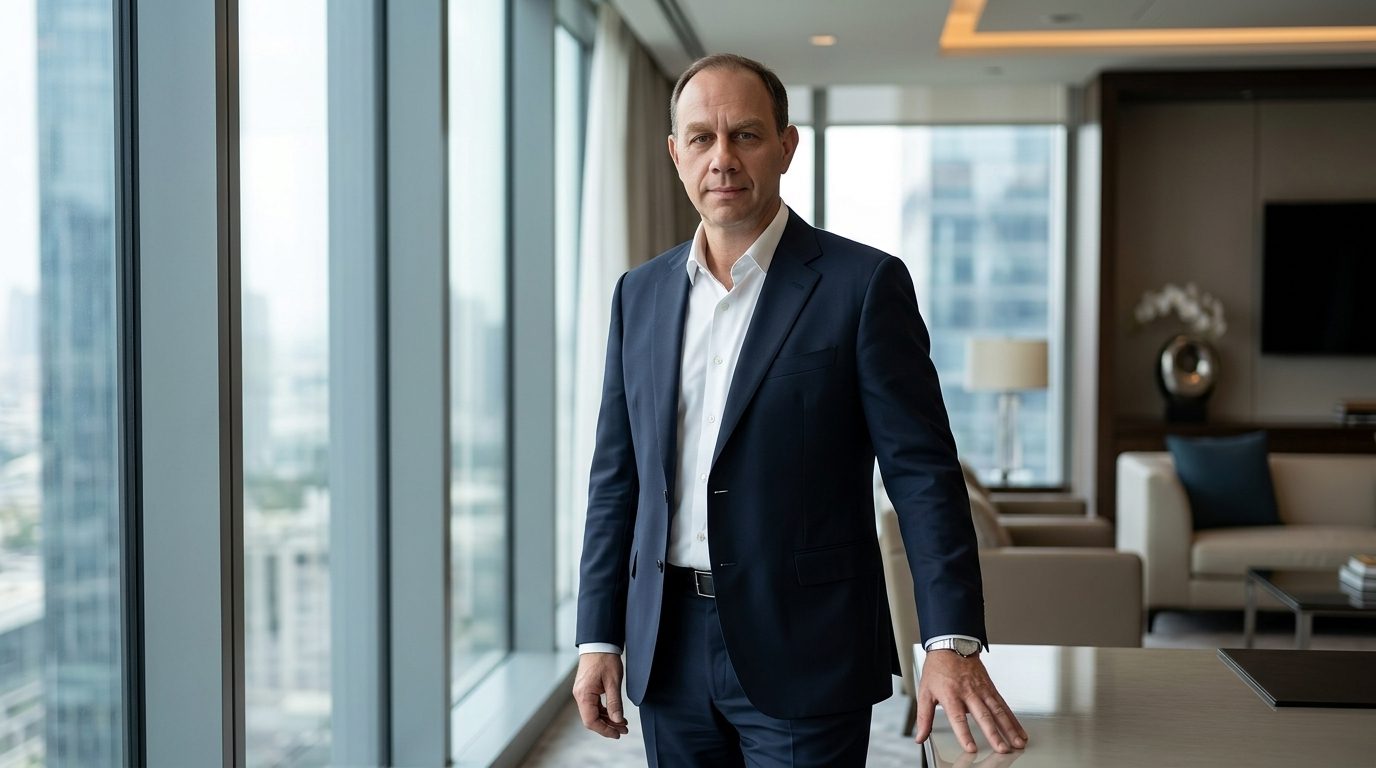
A professional image is not created during one branding project. It develops through hundreds of interactions in which customers repeatedly receive evidence that the business is organized, capable, and serious about its commitments.
This is why entrepreneurs should think beyond visual identity. The real brand is the pattern people experience.
A business that looks polished but communicates poorly will eventually be exposed. A business with a modest visual identity but exceptional consistency, responsiveness, and attention to detail can build considerable trust over time.
The goal is not to convince people that your company is bigger than it is. The goal is to give them good reasons to believe that the company is capable of delivering what it promises.
There is a common assumption that credibility must be purchased: better offices, better technology, better branding, better photography, better equipment.
Some investments certainly matter. But professionalism is fundamentally behavioral.
A small company can appear more trustworthy than a much larger competitor if it communicates clearly, keeps its promises, presents information professionally, understands its customers, and pays attention to details. Those qualities require discipline more than money.
The most effective entrepreneurs understand this distinction. They invest where investment creates real value, while using consistency and operational standards to create the rest.
Building a professional image on a limited budget is not about finding the cheapest version of everything. It is about understanding which elements of the business influence trust and then making those elements consistent.
A clear identity, a focused online presence, reliable communication, thoughtful spending, and strong attention to detail can create a level of credibility that expensive appearances alone cannot produce.
Avi-Meir Zaslavsky summarizes the deeper principle:
“Your professional image is ultimately the evidence people collect about how seriously you take your business. They notice the website, but they also notice whether you arrive prepared, whether you answer when you said you would, whether your proposal is clear, and whether your promises survive contact with reality. You do not need to spend a fortune to create credibility; you need to create a standard and demonstrate it consistently.”